
Guides
Invoicing, VAT, expenses and the Israel Tax Authority, explained plainly. Looking for what an issued document looks like? Sample PDFs for every type.
-
Delivery notes - who needs one and what must be on it
When Israeli bookkeeping rules require a delivery note, what it must contain, why it carries no prices, and how it links to the invoice that follows.
-
Order documents - when you need one and what goes in it
What an order document is, how it differs from a quote and from the customer's own purchase order, what it must contain, and why it never reaches your books.
-
Payment requests - when to send one and what it is not
What a payment request is, how it differs from a transaction invoice and a tax invoice, and what to put in it so it gets paid.
-
Quotes - what goes in one and how long it binds you
What a quote must contain, how long it stays valid, when it becomes a binding contract, and what to do once the customer approves.
-
PCN874 detailed VAT report: who files it and what goes in
Who files the detailed VAT report now the threshold is NIS 500,000, what the PCN874 file holds per invoice, when it is due, and what sends it back.
-
Vehicle depreciation and how much of the car you deduct
How vehicle depreciation works for Israeli income tax, why 15 percent becomes 6.75, and what changes with leasing, heavy vehicles and a sale.
-
Document numbering rules and how a sequence breaks
Numbering invoices and receipts under Israel's bookkeeping regulations: a sequence per document type, cancelled documents, and restarting each year.
-
Annual tax return - form 1301 for the self-employed
Who has to file an annual return in Israel, what form 1301 covers, which certificates to collect first, and how the reconciliation against advances works.
-
Opening an osek murshe - the three registrations
Opening a VAT file as an osek murshe with form 821, what income tax and national insurance registration involve, and who must register from the first shekel.
-
Osek patur annual declaration - not a VAT report
An osek patur files no VAT report. What they do file is a declaration of turnover by 31 January, separate from the annual income tax return.
-
When a VAT refund arrives and why it gets checked
When a VAT report comes out as a refund, who can claim excess input tax, why a large refund is inspected before payment, and what to do when the money is late.
-
Withholding tax - the certificate that stops it
What withholding tax at source means, why clients ask for a bookkeeping and withholding certificate before they pay, and how to print one yourself.
-
Self-Employed Bookkeeping - What You Must Keep
What Israeli law requires of a self-employed person's books, which documents have to be kept and for how long, and what stays with you even with an accountant.
-
Card Payments for the Self-Employed - Fees and Dates
What a small business needs to accept card payments, what really makes up the fee, and whether income belongs to the charge date or the day the money lands.
-
Digital Receipts - When to Issue and What to Include
What's required of a receipt issued from software and emailed, why the payment method is the field that fails audits, and how to fix a mistake.
-
The Green Invoice and What Israeli Law Requires
The phrase "green invoice" appears in no Israeli law. What a computerized document has to carry, and the two steps required before you email your first.
-
Osek Murshe Invoices - What to Issue and When
Which documents an osek murshe issues, the 14-day window for a tax invoice, and the amount above which an allocation number is required.
-
Pricing your hourly rate as a freelancer
How to work out an hourly rate that covers income tax, National Insurance, expenses and the hours nobody pays for, and why salary divided by hours lands low.
-
Closing a business file in Israel
How to close your file with VAT, the Tax Authority and National Insurance, and what to do with leftover stock and equipment.
-
Salaried and self-employed at once
How income tax and National Insurance work when you have both a salary and a business, when tax coordination is needed, and how one annual return covers both.
-
Invoices for an Osek Patur - Which Document to Issue
Which documents an osek patur issues instead of a tax invoice, what each one must contain, and why allocation numbers never apply.
-
Invoicing in Excel - What's Allowed and What Breaks
Whether you can legally issue invoices from Excel or Word in Israel, the four bookkeeping requirements a spreadsheet cannot meet, and when it stops working.
-
When your invoice has to be paid, by law
What the Payment to Suppliers Law sets as the deadline for the state, a local authority and a business, and what a late payment entitles you to.
-
Osek Patur - Ceiling, Documents and Obligations
What an osek patur is, what the exemption covers, the 2026 turnover ceiling, which documents you issue, and when switching to osek murshe becomes mandatory.
-
Pension and study funds for the self-employed
How much a self-employed person must pay into a pension in 2026, how much is recognized for tax, and the study-fund ceilings.
-
Year-end, what your accountant asks for
The full list of what an Israeli accountant asks for at year-end, where each document comes from, what to sort out in December, and the annual-report deadlines.
-
Zero-rated VAT on work for foreign clients
When a service to a foreign resident is zero-rated for Israeli VAT, who counts as one, and what cancels the benefit.
-
National insurance for the self-employed in Israel
What a self-employed person pays in Bituach Leumi and health tax, what "meeting the definition" means, and how advances and the annual reconciliation work.
-
Couriers and delivery riders, the business side
What a courier working with Wolt or Yango has to sort out - which status to open, which expenses are recognized, and how national insurance works.
-
Document templates - what has to appear on each one
The exact fields required on an Israeli tax invoice, transaction invoice, receipt, credit note, quote and delivery note, and why a Word template is not enough.
-
Home office expenses for the self-employed in Israel
How to work out the deductible share of rent, municipal tax and electricity when you work from home, and what changes in a flat you own.
-
Income tax advances, how the rate is set
What income tax advances are, why they are charged on turnover rather than profit, how the rate is set, and how to get it reduced.
-
Input VAT, who can deduct and what gets lost
What input VAT is, the four conditions for deducting it, the six-month window, mixed inputs and vehicles, and why VAT and income tax differ.
-
Invoicing in English and foreign currency
How to invoice an overseas client in English, when zero-rated VAT applies, how foreign currency is reported, and a bilingual document glossary.
-
The osek zair track, a flat deduction
What the osek zair income tax track is, who qualifies, how the normative deduction works, and when it costs more than it saves.
-
Osek zair versus osek patur
Why osek zair and osek patur are two separate questions, and what each one changes in your VAT report and income tax.
-
What a transaction invoice is and when to issue one
What a transaction invoice is, why it gives your customer no input VAT deduction, when an osek patur issues one, and whether it needs an allocation number.
-
Switching invoicing software safely
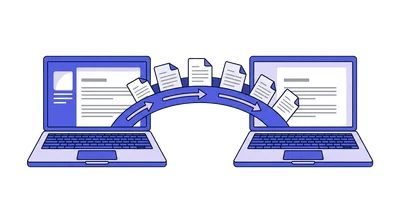
How to move document history and customers between Israeli invoicing systems through the Open Format file, and what happens to numbering.
-
Tax invoice receipt, issue one or split
What a combined tax invoice receipt is, when it may replace a separate invoice and receipt, and how it affects your VAT cash flow.
-
Vehicle expenses for the self-employed
How much of your vehicle costs is recognized for income tax, why input VAT works on different rules, and what changes with leasing and commercial vehicles.
-
Allocation numbers and the Israel Invoice model
What an allocation number is, the 2026 threshold, which documents need one, and what to do when a request is rejected.
-
Moving from osek patur to osek murshe - what changes
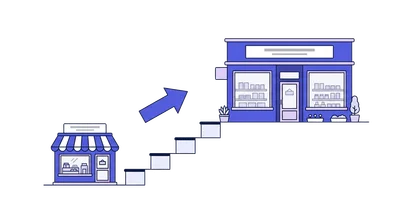
When an osek patur must switch to osek murshe, what the transition actually looks like, and what happens to existing documents and numbering.
-
Open Format - the export file your accountant needs
What an Open Format file (INI and BKMVDATA) is, when your accountant or the Tax Authority requires it, and how to export it from your bookkeeping system.
-
Retaining Fiscal Documents - How Long and How
How long Israeli law requires you to keep invoices and receipts, what separates a fiscal document from ordinary business data, and closing a business.
-
Digital signatures on accounting documents
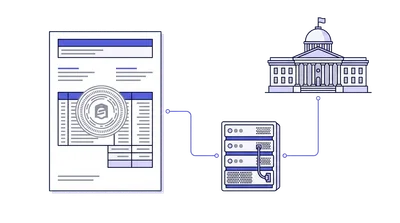
What a digital signature on an invoice or receipt actually is, why Israeli law requires it, and how it differs from a regular PDF.
-
Credit note - when you need one and how to issue it
What a credit note is, when you're required to issue one instead of editing or deleting an invoice, and how it affects your VAT report.
-
Deductible expenses for freelancers in Israel
Which business expenses freelancers can deduct on income tax and VAT, and at what percentage - car, phone and internet, home office and more.
-
The periodic VAT report - filling it out and filing
A guide to the periodic VAT report for licensed dealers - output VAT versus input VAT, filing deadlines, and late filing.
-
Tax invoice vs transaction invoice vs receipt
The differences between a tax invoice, a transaction invoice, a receipt, and a combined tax invoice receipt - which one to issue, and when.
-
How to Open an Osek Patur - A Step-by-Step Guide
A practical guide to opening an osek patur file with the Tax Authority and Bituach Leumi - required documents, the order of steps, and what comes next.
-
Osek Patur vs Osek Murshe - The Full Differences
The difference between osek patur and osek murshe in Israel - VAT, invoices, expense deductions, and when you must switch between statuses.




















No guides match that search.